
The Fifth Men’s Grief for the Past
Last and First MenThis flow traces how Fifth-Men love of the past changes from reverent acceptance of mortality into intimate historical experience and enduring distress.
increasing Bearing strength in each event
 decreasing
Bearing strength in each eventdecreasingThe Fear of Losing the Beloved
Love Under Mortality
A long perspective
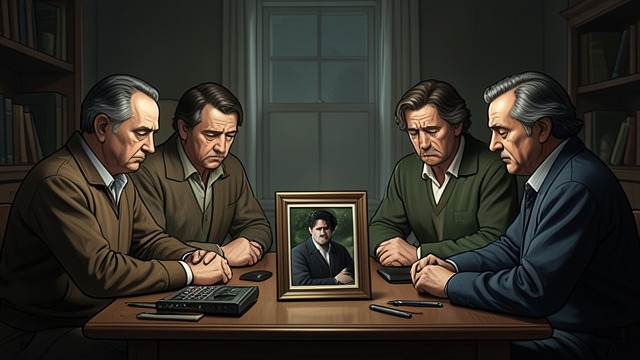
The Fifth Men live for thousands of years, making death an experienced loss rather than an abstract certainty. Intimate relationships deepen beyond what short-lived species can readily imagine.
Consolations questioned
Early faith in an afterlife gradually seems inadequate to their more mature understanding. They begin to see that love’s desire for the beloved’s permanence may conflict with their wider commitments.
The Beauty of Passing
Acquiescence in Mortality
A chosen limit
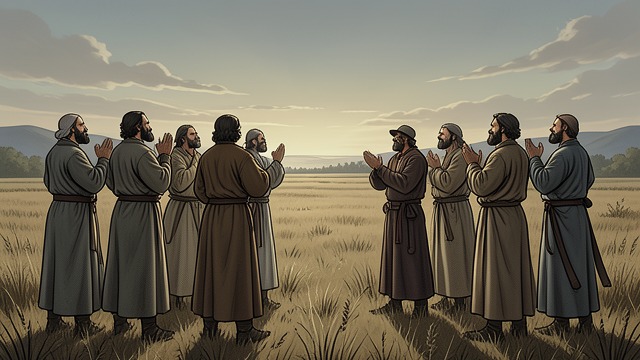
The Fifth Men reject biological immortality, believing that endless personal life could damage spiritual development. They instead extend the lifespan of later generations while preserving finitude.
Piety for earlier lives
They imagine extinct people and animals with tenderness, reconstructing the past as a duty of understanding. Their compassion remains joined to the belief that the vanished past is no longer real.
The Past Becomes Present
History Entered from Within
Direct experience
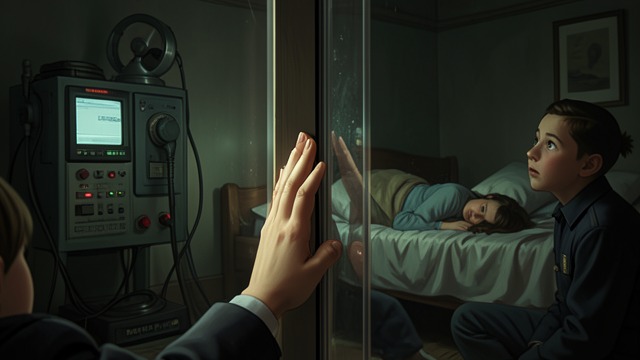
A trained child reaches into the mind of a dead person and experiences an episode unavailable to ordinary historical research. Repeated trials confirm that minds can inspect the past through another’s experience.
A changed intimacy
Past lives cease to be remote summaries and become encounters with individual perception. The Fifth Men gain understanding of their predecessors but also inherit their suffering more directly.
Grief Made Eternal
The Cost of Knowing
Pain persists
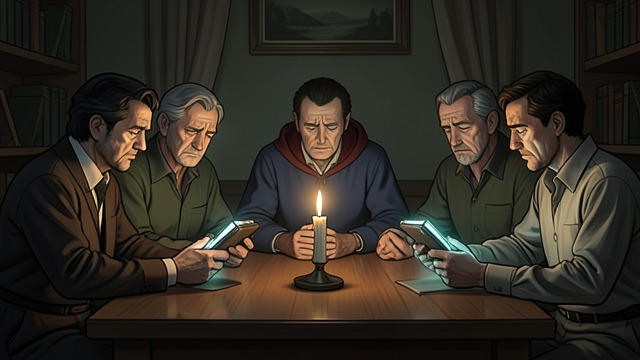
Explorers discover that past misery has not simply vanished into nonexistence. The suffering of earlier beings remains part of what can be encountered.
Love becomes a burden
The Fifth Men cannot dismiss the agony they have witnessed as over and done. Their historical sympathy deepens into distress that threatens the joy of present relationships.
The Past as a Shared Duty
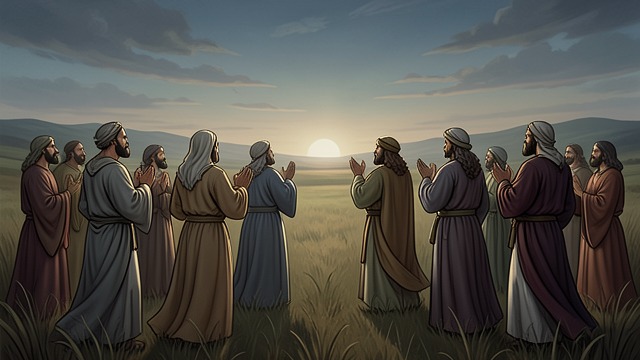
Love Across Time
Contact as care
The Last Men continue exploring past minds, not merely to collect facts but to know and love the people they encounter. Their understanding becomes a form of filial piety toward earlier humanity.
Help both ways
As extinction approaches, they also seek the past’s help to renew their own fading commitment to life. Historical intimacy becomes a source of moral energy, not just grief.
During the early Fifth-Men civilization
Before the discovery that the past endures
After the first successful supra-temporal experiment
During the mature practice of historical exploration
During the Last Men’s final crisis
